Wondering what to expect at a medical aesthetician consultation? Learn how to prepare, what questions to ask, and why personalized skin analysis matters. Book today!
What to Expect at a Medical Aesthetician Consultation: Your Complete Guide to Professional Skin Analysis
You've tried the drugstore serums. You've followed the influencer routines. You've layered acids, retinols, and vitamin C in every combination imaginable. Yet your skin concerns persist — the stubborn acne that resurfaces every month, the hyperpigmentation that seems to deepen despite your best efforts, or the rosacea flares that leave you canceling plans.
If this sounds familiar, you're not alone. Many adults in Sunrise, FL and throughout South Florida reach a frustrating plateau where over-the-counter products simply cannot address their unique skin challenges. This is precisely when a medical aesthetician consultation becomes transformative.
In this comprehensive guide, you'll discover exactly what to expect at a medical aesthetician consultation, how to prepare for maximum benefit, and why this science-backed approach to skincare delivers results that guesswork never can.
Why a Medical Aesthetician Consultation Differs from Spa Facials
When most people think of skin consultations, they envision a brief chat before a facial at their local spa. A medical aesthetician consultation is an entirely different experience — one rooted in clinical training, advanced diagnostic tools, and evidence-based treatment protocols.
The Clinical Training Difference
Medical aestheticians complete extensive education in skin anatomy, physiology, and pathology that goes far beyond basic esthetician training. This specialized knowledge allows them to identify underlying causes of skin conditions rather than simply addressing surface symptoms.
At practices like 360 Radiance in Sunrise, FL, medical aestheticians work alongside or under the supervision of licensed healthcare providers, ensuring your skin analysis considers your complete health picture. This collaborative approach is especially important for conditions like hormonal acne, melasma, or inflammatory skin disorders that may have systemic connections.
Advanced Diagnostic Capabilities
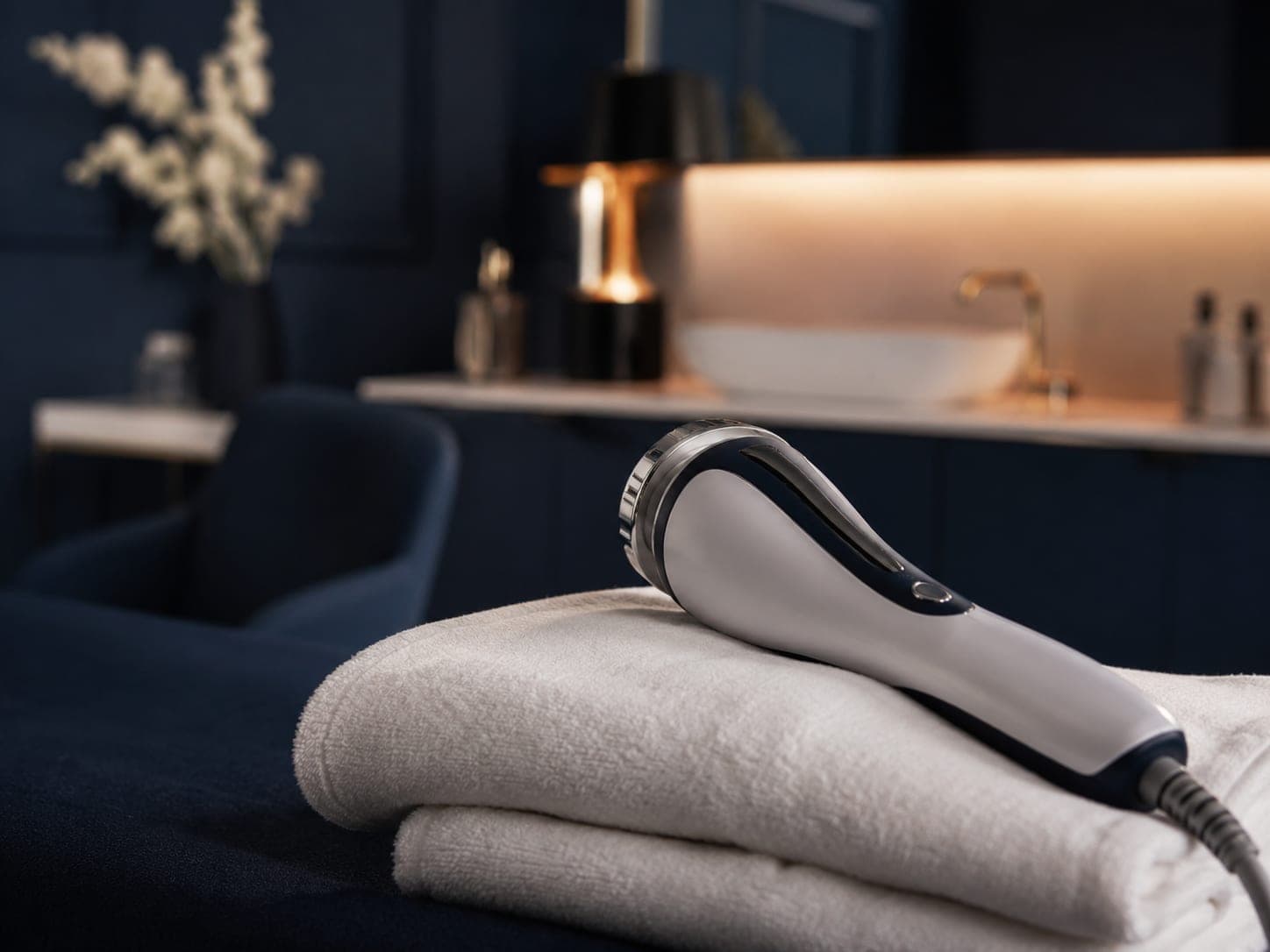
Unlike standard spa consultations, medical aesthetician appointments often incorporate professional-grade skin analysis technology. These tools can reveal damage, dehydration levels, and structural concerns invisible to the naked eye — providing objective data that guides your personalized treatment plan.
How to Prepare for Your First Consultation
Walking into your medical aesthetician consultation well-prepared helps ensure you get maximum value from your appointment. Here's how to set yourself up for success.
Gather Your Skincare History
Before your visit, take inventory of:
**Current products:** List everything you apply to your skin, including cleansers, moisturizers, treatments, and SPF. Bring the actual products if possible — medical aestheticians often discover that ingredient interactions or formulation issues contribute to persistent concerns.
**Past treatments:** Note any professional treatments you've received, including chemical peels, microneedling, laser procedures, or prescription medications like tretinoin or spironolactone.
**Timeline of concerns:** When did your skin issues begin? Do they fluctuate with your menstrual cycle, seasons, stress levels, or dietary changes? These patterns provide valuable diagnostic clues.
Arrive with a Clean Face
If possible, attend your consultation without makeup or with minimal coverage. This allows your medical aesthetician to accurately assess your skin's texture, tone, and condition. Most practices, including our Sunrise, FL location, have private spaces where you can comfortably remove makeup upon arrival if needed.
Prepare Your Questions
Write down your top concerns and questions beforehand. In the moment, it's easy to forget what you wanted to ask. Common questions include:
What's actually causing my [specific concern]?
How long might it take to see improvement?
What lifestyle factors could be affecting my skin?
Which ingredients should I avoid based on my skin type?
The Consultation Process: Step by Step
Understanding the typical flow of a dermatological consultation helps ease any nervousness and ensures you know what valuable information you'll receive.
Initial Intake and Health History
Your appointment begins with a comprehensive intake process. You'll discuss not only your skin concerns but also relevant health information — medications, allergies, medical conditions, and hormonal factors that could influence your skin.
This holistic approach distinguishes clinical skincare from retail recommendations. Your medical aesthetician considers how internal factors manifest externally, creating a more complete picture of your skin's needs.
Visual and Technical Skin Analysis
Next comes the hands-on assessment. Your medical aesthetician will examine your skin under proper lighting, often using magnification to assess:
**Skin type classification:** Determining whether your skin is truly oily, dry, combination, or dehydrated (yes, oily skin can be dehydrated!)
**Barrier function:** Evaluating whether your moisture barrier is compromised, which often underlies sensitivity and reactivity
**Signs of photodamage:** Identifying sun-related changes that may not yet be visible on the surface
**Inflammatory indicators:** Noting redness patterns, pustules, or other signs that suggest specific conditions
**Texture concerns:** Assessing pore size, scarring, and surface irregularities
Many South Florida residents are surprised to discover that their "oily" skin is actually dehydrated and overproducing sebum in compensation, or that their "sensitivity" stems from a damaged barrier rather than a true reactive skin type.
Discussion of Findings and Recommendations
Perhaps the most valuable portion of your consultation is the educational conversation that follows assessment. Your medical aesthetician will explain:
What they observed and what it indicates about your skin's current state
Which of your concerns can be addressed with professional treatments versus homecare adjustments
Realistic timelines for improvement (responsible practitioners never promise overnight transformations)
A prioritized approach — which concerns to tackle first for best results
This is your opportunity to ask questions and ensure you understand the reasoning behind recommendations. A quality consultation feels like a collaborative conversation, not a sales pitch.
Common Skin Concerns Addressed in Medical Consultations
Medical aesthetician consultations are particularly valuable for persistent concerns that haven't responded to standard approaches.
Acne and Breakout Patterns
Adult acne affects millions of Americans, yet many continue using teen-focused products that worsen their condition. During your consultation, your medical aesthetician can identify whether your breakouts are:
Hormonal (typically along the jawline and chin)
Comedonal (blackheads and whiteheads from congestion)
Inflammatory (red, painful pustules)
Triggered by products, diet, or lifestyle factors
Each type requires a different approach. What works for teenage T-zone oiliness often aggravates adult hormonal acne — one reason DIY approaches frequently fail.
Hyperpigmentation and Uneven Tone
South Florida's intense sun exposure makes hyperpigmentation one of the most common concerns at our Sunrise location. Whether you're dealing with melasma, post-inflammatory hyperpigmentation from past breakouts, or age spots, your consultation will clarify:
The type and depth of your pigmentation
Which treatments may be appropriate for your skin tone (this is crucial — some approaches can worsen pigmentation in darker skin tones)
Essential protective measures to prevent recurrence
Realistic expectations for fading timelines
Rosacea and Chronic Redness
Rosacea affects an estimated 16 million Americans, yet many go undiagnosed for years. A medical aesthetician consultation can identify rosacea subtypes and triggers, helping you avoid treatments that could cause flares while recommending calming, supportive approaches.
Aging Concerns and Prevention
Whether you're focused on prevention in your 30s or addressing established concerns in your 50s and beyond, a professional skin analysis reveals which signs of aging are present and which interventions may be most appropriate for your goals and budget.
What Happens After Your Consultation
Your relationship with professional skincare doesn't end when your consultation appointment concludes.
Your Personalized Treatment Plan
Based on your assessment, you'll receive customized recommendations that may include:
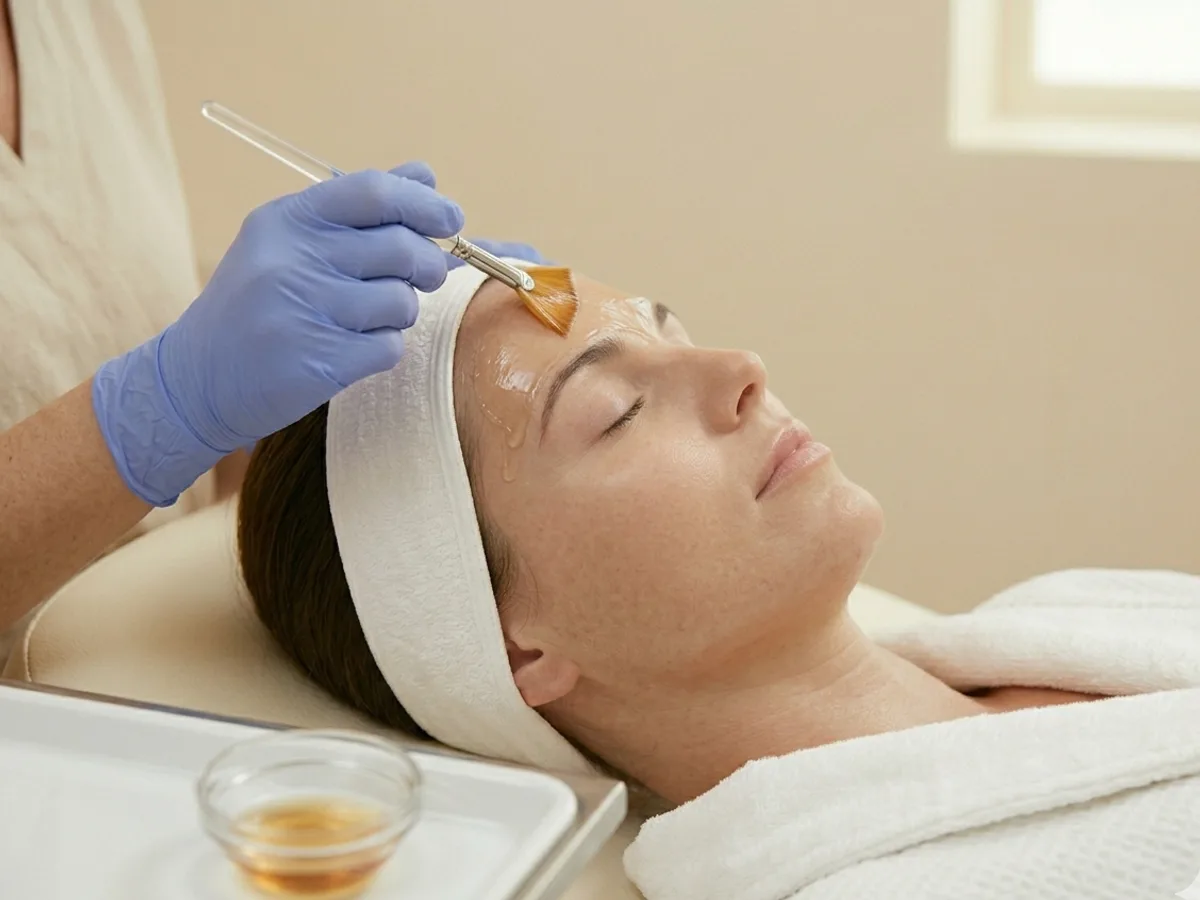
**Professional treatments:** Your medical aesthetician may suggest specific [skincare treatments and services](https://360radianceskincare.com/services) appropriate for your concerns, explaining what each involves and how they work together
**Homecare adjustments:** Often, strategic changes to your daily routine deliver significant improvement — sometimes by simplifying an overcomplicated regimen
**Lifestyle considerations:** Guidance on nutrition, hydration, sleep, and sun protection habits that support your skin goals
Establishing Realistic Expectations
Skin transformation takes time. Your consultation should include honest discussion of:
How long before you might notice initial improvement
The typical timeline for meaningful results
Whether maintenance treatments will be beneficial long-term
Signs to watch for that indicate your plan is working
Scheduling Follow-Up
Most medical aestheticians recommend a follow-up appointment 4-8 weeks after implementing changes. This allows time for your skin to respond while ensuring you stay on track and can adjust your plan as needed.
Questions to Ask During Your Medical Aesthetician Consultation
Maximize your appointment by asking thoughtful questions that help you understand your skin and make informed decisions.
About Your Skin Condition
"What do you see as the primary cause of my [concern]?"
"Are there any findings that surprise you or that I should know about?"
"How does my skin compare to what you typically see with this concern?"
About Recommended Treatments
"Why are you recommending this particular approach?"
"What alternatives exist, and why might this be preferred?"
"What would happen if I did nothing?"
About Homecare
"Which of my current products should I continue, and which should I stop?"
"What's the minimum effective routine I could follow?"
"How will I know if a product isn't working for me?"
About Practical Considerations
"Is there any downtime associated with recommended treatments?"
"How should I adjust my routine in South Florida's humid climate?"
"What sun protection approach do you recommend for my skin type?"
Frequently Asked Questions
How long does a medical aesthetician consultation typically last?
A thorough initial consultation usually takes 30-60 minutes, allowing adequate time for intake, skin analysis, discussion, and questions. At 360 Radiance, we never rush consultations because understanding your unique skin is essential to creating an effective plan.
Do I need a referral from a dermatologist to see a medical aesthetician?
No referral is necessary. Medical aesthetician consultations are available directly to anyone seeking professional skin analysis and treatment guidance. However, if your aesthetician identifies concerns that require medical evaluation, they'll recommend you see a dermatologist or physician.
What's the difference between a medical aesthetician and a dermatologist?
Dermatologists are physicians who diagnose and treat medical skin conditions, often prescribing medications or performing surgical procedures. Medical aestheticians specialize in non-invasive treatments, advanced skincare, and helping you achieve your best skin through professional-grade approaches. Many people benefit from both — a dermatologist for medical management and a medical aesthetician for ongoing skin optimization.
Will I be pressured to buy products during my consultation?
At reputable practices, consultations focus on education and assessment rather than sales. While your medical aesthetician may recommend specific products, the goal is helping you understand your options so you can make informed decisions. At 360 Radiance, we believe informed clients achieve better results than pressured ones.
How often should I have a professional skin consultation?
After your initial consultation and any follow-up appointments to assess progress, most people benefit from annual comprehensive skin assessments. However, you should schedule sooner if you notice significant changes in your skin or want to update your treatment plan.
Is a medical aesthetician consultation covered by insurance?
Cosmetic consultations are typically not covered by health insurance. However, many practices offer complimentary or low-cost initial consultations to make professional skin analysis accessible. 360 Radiance offers free consultations for new clients in Sunrise and throughout South Florida.
Take the First Step Toward Your Best Skin
If you've been struggling with persistent skin concerns — acne that won't quit, hyperpigmentation that keeps returning, rosacea flares that disrupt your life, or aging signs you'd like to address — a medical aesthetician consultation is the clearest, lowest-pressure way to finally understand what your skin needs. Instead of guessing at products and chasing trends, you'll leave with a professional analysis, a realistic plan, and a partner invested in your long-term skin health.
Knowing what to expect—thorough intake, hands-on skin analysis, honest discussion, and personalized recommendations—means you can walk in prepared and make the most of your appointment. The hardest part is simply booking it.
Ready to discover what's truly possible for your skin? At 360 Radiance in Sunrise, we offer free consultations for new clients throughout South Florida, with the time and expertise to understand your skin properly. Book a free consultation today, and let's create your customized path to radiant, healthy skin.
This content is for educational purposes only and is not intended as medical advice. Individual results vary based on numerous factors. Please consult with a licensed skincare professional to determine the most appropriate treatments for your specific needs and concerns.