Master skincare after chemical peel in humid weather Florida. Expert tips for protecting healing skin in South FL humidity. Book your free consultation today!
Skincare After Chemical Peel in Humid Weather Florida: Your Complete Recovery Guide
You just invested in a chemical peel to address those stubborn dark spots, fine lines, or acne scars—and now you're stepping outside into South Florida's signature humidity. That warm, wet air that makes your hair frizz? It creates a unique set of challenges for your freshly treated skin.
Managing skincare after chemical peel in humid weather Florida isn't just about following generic post-peel instructions. It requires understanding how our tropical climate affects the healing process and adapting your routine accordingly. The same humidity that can feel oppressive during summer months can actually support certain aspects of recovery while complicating others.
In this guide, you'll learn exactly how to navigate post-peel care in our Sunrise, FL climate—from protecting your compromised skin barrier to preventing the hyperpigmentation that humid, sunny conditions can trigger.
Why Florida's Humid Climate Creates Unique Post-Peel Challenges
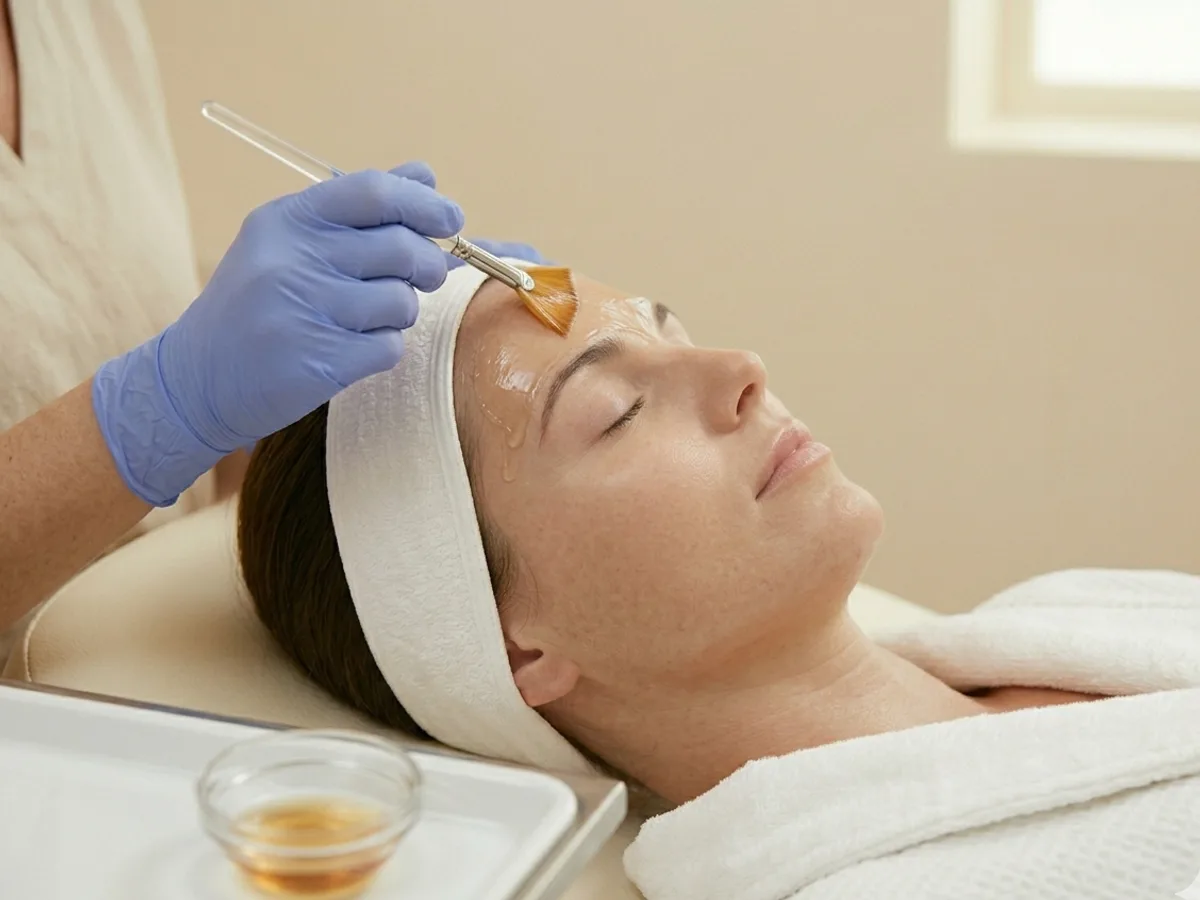
Chemical peels work by creating controlled damage to your skin's outer layers, triggering your body's natural healing response. This process requires a delicate balance of moisture, protection, and patience. In South Florida, our environment adds several variables that can either support or sabotage your results.
The Double-Edged Sword of Humidity
Florida's average humidity hovers between 70-90%, depending on the season. For healing skin, this moisture-rich air has both advantages and drawbacks.
On the positive side, humid air helps prevent the excessive dryness and tight feeling that many people experience after chemical peels in arid climates. Your skin doesn't have to work as hard to retain moisture when the surrounding air already contains water vapor.
However, that same humidity creates an environment where bacteria thrive. Your freshly peeled skin—with its temporarily compromised barrier function—becomes more vulnerable to breakouts and potential infections. Sweat also evaporates more slowly in humid conditions, meaning it sits on your skin longer and can cause irritation during the sensitive healing window.
Heat and Sun Exposure Compound the Problem
Beyond humidity, South Florida's intense UV index presents perhaps the most significant challenge for post-chemical peel recovery. After a peel, your skin loses some of its natural sun protection. New skin cells rising to the surface are particularly susceptible to UV damage and subsequent hyperpigmentation—one of the very concerns many people seek to address with peels in the first place.
The combination of heat and humidity also increases blood flow to the skin's surface. While this can support healing, excessive heat may prolong redness and inflammation, especially after medium-depth peels.
The First 48 Hours: Critical Care in Tropical Conditions
The initial days after your chemical peel set the foundation for your entire recovery. During this window, your skin is at its most vulnerable, and the choices you make significantly impact your results.
Creating a Healing-Friendly Environment
When possible, spend the first 48 hours in climate-controlled environments. Air conditioning helps moderate both temperature and humidity, reducing sweat production and creating more stable conditions for healing. This doesn't mean you need to become a hermit—just be mindful about limiting extended outdoor exposure during peak heat hours.
If you must be outside, seek shade whenever possible. Early morning hours before 10 AM or late afternoon after 4 PM offer somewhat gentler conditions, though sun protection remains essential regardless of timing.
Understanding how your skin barrier functions helps explain why these first hours matter so much. Your barrier has been intentionally disrupted, and every decision you make either supports or hinders its reconstruction.
Gentle Cleansing Without Stripping
In humid Florida weather, you may feel tempted to wash your face more frequently to combat that sticky feeling. Resist this urge. Over-cleansing disrupts the healing process and strips away the natural oils your skin is working to restore.
Stick to cleansing twice daily with a gentle, fragrance-free cleanser. Use lukewarm water—never hot—and pat dry with a clean, soft cloth rather than rubbing. If you feel uncomfortably sweaty between cleansings, you can gently blot with a clean tissue, but avoid wiping or adding additional products outside your prescribed routine.
Building Your Post-Peel Hydration Strategy
Hydration is the cornerstone of post-chemical peel care, but in Florida's humid climate, finding the right balance requires some finesse. Too little hydration leaves healing skin vulnerable; too much can create a breeding ground for bacteria or clog pores.
Lightweight Layers Over Heavy Creams
The post-peel moisturizing strategy that works well in dry climates often feels suffocating in South Florida. Instead of thick, occlusive creams, focus on lightweight, hydrating layers that support healing without trapping excess moisture against your skin.
Look for products containing hyaluronic acid, which draws moisture into the skin without heavy residue. Ceramides help rebuild your barrier function—a critical component of recovery. Niacinamide can provide soothing benefits while supporting skin repair.
Apply your hydrating products to slightly damp skin to enhance absorption. In our humid environment, you may find you need less product than recommended on packaging, which is typically designed for average or dry climates.
Managing the Peeling Phase Without Picking
When visible peeling begins—typically between days two and five, depending on peel depth—the humid air can make flaking skin appear more pronounced as it catches moisture and lifts away from the face. This can feel embarrassing and create a strong urge to pick or manually remove the peeling skin.
Do not pick, pull, or scrub away peeling skin. Premature removal can cause scarring, prolonged redness, and uneven healing. Instead, keep the area well-moisturized, which helps peeling skin separate naturally. The humidity actually works in your favor here, as it prevents the dry, tight pulling sensation that makes picking more tempting in arid climates.
Sun Protection: Your Non-Negotiable Daily Essential
If there's one aspect of post-chemical peel care that cannot be compromised in Florida, it's sun protection. Our state's UV intensity, combined with your skin's temporarily heightened sensitivity, creates significant risk for complications without proper protection.
Choosing the Right Sunscreen for Healing Skin
Not all sunscreens are created equal, and post-peel skin requires particular consideration. Mineral sunscreens containing zinc oxide or titanium dioxide tend to be gentler on sensitive, healing skin than chemical sunscreens, which can cause stinging or irritation.
Look for SPF 30 at minimum, though SPF 50 provides an extra margin of safety during the healing window. Choose formulas labeled "non-comedogenic" and "fragrance-free" to minimize the risk of breakouts or irritation.
In humid conditions, sunscreen tends to break down more quickly due to sweat and moisture. Plan to reapply every two hours when outdoors, or immediately after sweating or swimming. Yes, this means carrying sunscreen with you—a small inconvenience for protecting your investment in healthier skin.
Physical Sun Protection Matters Too
Sunscreen alone isn't sufficient, especially during the first week post-peel. Supplement your SPF with physical barriers: wide-brimmed hats, UV-protective sunglasses, and seeking shade whenever possible.
Consider adjusting your schedule temporarily to avoid peak sun hours. If your work or lifestyle requires midday outdoor time, discuss timing your peel accordingly with your skincare professional. Many clients in the Sunrise area find scheduling peels during cooler months or planning indoor-focused weeks post-treatment supports better outcomes.
Ingredients to Avoid During Recovery in Humid Climates
Your post-peel skin is essentially in a reset phase, and certain ingredients that might be fine for healthy skin can cause problems during recovery—especially in our climate.
Skip Active Ingredients Until Cleared
The skincare ingredients that help create change in healthy skin—retinoids, alpha and beta hydroxy acids, vitamin C serums, benzoyl peroxide—are too aggressive for recently peeled skin. These actives can cause excessive irritation, prolonged redness, and even damage to the new skin cells emerging during healing.
Wait until your skincare professional confirms your barrier has recovered before reintroducing active ingredients. This typically takes one to two weeks for superficial peels and longer for medium-depth treatments.
Fragrances and Potential Irritants
Fragrance, whether synthetic or natural, offers no benefit to healing skin and carries risk of irritation or allergic reaction. Stick to fragrance-free formulations during your recovery window.
Similarly, avoid products containing alcohol (listed as alcohol denat., SD alcohol, or denatured alcohol), witch hazel, menthol, or eucalyptus. These can feel cooling in hot weather but are too harsh for compromised skin.
For those dealing with rosacea or sensitive skin conditions, ingredient vigilance becomes even more important during post-peel recovery.
Long-Term Results: Protecting Your Investment in Florida's Climate
A successful chemical peel isn't just about surviving the recovery period—it's about maximizing and maintaining your results over time. In South Florida's demanding environment, this requires ongoing attention.
Establishing a Sustainable Post-Peel Routine
Once your skin has fully healed, work with your skincare professional to establish a maintenance routine suited to our climate. This typically includes consistent sun protection as a daily habit, not just during recovery. Appropriate antioxidant protection helps combat environmental stressors common in Florida, while gentle exfoliation maintains the smooth, refreshed surface your peel revealed.
The specific products and frequency depend on your skin type, concerns, and how your skin responds to our humid conditions. What works beautifully for a friend may not suit your skin's needs.
When to Schedule Your Next Peel
Chemical peels can be repeated to maintain or enhance results, but timing matters. Your skin needs adequate recovery time between treatments, and scheduling around Florida's seasons can optimize outcomes.
Many clients find fall and winter months ideal for peel series, when UV intensity decreases slightly and we spend more time in air-conditioned environments. However, with proper precautions, peels can be safely performed year-round.
Explore our full range of professional skincare treatments to understand how chemical peels might fit into your comprehensive skin health plan.
Frequently Asked Questions About Post-Peel Care in Florida
Can I swim in the ocean or pool after a chemical peel?
Avoid swimming for at least one to two weeks after a chemical peel, or until your skincare professional confirms your barrier has healed. Chlorine, salt water, and the bacteria present in natural bodies of water can all irritate or infect healing skin. The combination of water exposure and Florida's intense sun also significantly increases hyperpigmentation risk.
How do I handle sweating after a chemical peel in South Florida's heat?
Some sweating is unavoidable, but try to minimize strenuous activity for the first week post-peel. When you do sweat, gently blot—don't wipe—with a clean tissue. Avoid touching your face with your hands. If possible, return to a cool environment to allow sweat to evaporate naturally. Don't add additional products to compensate for the sticky feeling—layering on extra moisturizer or wiping repeatedly can irritate healing skin and disrupt the natural flaking process. A light, breathable moisturizer and a little patience are far kinder to your barrier than trying to "fix" the sensation.
How soon can I wear makeup after a peel in Florida's humidity?
Wait until any active flaking has finished and your skin no longer feels raw or tight—usually five to seven days for a superficial peel, and longer for deeper treatments. Applying makeup too early can trap sweat and product against compromised skin, raising the risk of breakouts and irritation in our humid climate. When you do return to makeup, start with clean brushes and lightweight, non-comedogenic formulas, and always remove it gently at the end of the day.
Is it normal for my skin to feel oilier after a peel in humid weather?
Yes. As your skin heals and humidity draws moisture to the surface, skin can temporarily feel oilier or shinier than usual. Resist the urge to strip it with harsh cleansers or astringents—over-drying healing skin can trigger even more oil production and slow recovery. A gentle cleanser and a light moisturizer are all your skin needs while it rebalances.
Protect Your Peel Results in the Florida Climate
A chemical peel can dramatically improve tone, texture, and clarity—but in South Florida's sun and humidity, the aftercare is what protects your investment. Diligent sun protection, a gentle barrier-supporting routine, and professional guidance make the difference between a peel that fades quickly and one that reveals lasting, healthy skin.
Ready to discover what's possible for your skin? At 360 Radiance in Sunrise, we tailor every peel and recovery plan to your skin type and our unique climate. Book your free consultation today, and let's create a skincare strategy designed specifically for you and beautiful South Florida.
This content is for educational purposes only and does not constitute medical advice. Individual results vary based on skin type, treatment depth, and adherence to aftercare protocols. Please consult with your licensed skincare provider for personalized recommendations regarding chemical peels and post-treatment care.