Not all "clean beauty" claims are equal. A science-based guide to which ingredients genuinely harm your skin and which "scary" chemicals are perfectly safe.
El movimiento de la belleza limpia ha hecho algo notable y algo profundamente problemático en igual medida. Por un lado, ha empujado a los consumidores a pensar críticamente sobre lo que se ponen en la piel. Por otro, ha creado una cultura de marketing basado en el miedo donde los ingredientes son demonizados no por la evidencia, sino porque tienen nombres que suenan químicos. Como esteticista que lee etiquetas de ingredientes a diario y formula protocolos de cuidado de la piel basados en investigación revisada por pares, quiero atravesar el ruido y ofrecerle una guía honesta y basada en evidencia sobre lo que realmente debería evitar y lo que puede dejar de preocuparle.
Parabenos: Lo Que Dice Realmente la Investigación
Los parabenos, específicamente metilparabeno, etilparabeno, propilparabeno y butilparabeno, son conservantes utilizados en cosméticos desde la década de 1920. Previenen el crecimiento bacteriano y fúngico en formulaciones a base de agua, lo cual es una función crítica de seguridad. El pánico hacia los parabenos se originó principalmente con un estudio de 2004 de Darbre y colaboradores que detectó parabenos en tejido de cáncer de mama. Sin embargo, dicho estudio no contaba con un grupo control, no demostró un vínculo causal y ha sido ampliamente criticado en la literatura posterior.
El panel del Cosmetic Ingredient Review (CIR), el Comité Científico de Seguridad de los Consumidores de la Comisión Europea (SCCS) y la FDA de Estados Unidos han revisado todos la evidencia disponible y concluido que los parabenos en las concentraciones utilizadas en cosméticos (típicamente entre el 0,1% y el 0,8%) son seguros. El metilparabeno y el etilparabeno, los parabenos de cadena más corta, muestran la actividad estrogénica más débil, aproximadamente entre 10.000 y 100.000 veces más débil que la del estradiol. El propilparabeno y el butilparabeno muestran una actividad estrogénica ligeramente mayor, y algunos organismos reguladores, incluida la UE, han establecido límites de concentración más bajos para estas variantes de cadena más larga como medida de precaución.
En conclusión: evitar todos los parabenos no está respaldado por la evidencia toxicológica actual. Si quiere ser extra cautelosa, busque productos que eviten específicamente el propilparabeno y el butilparabeno, reconociendo al mismo tiempo que el metilparabeno sigue siendo uno de los conservantes más seguros y mejor estudiados disponibles. Los conservantes alternativos que reemplazan a los parabenos en los productos "libres de parabenos", como el fenoxietanol o la metilisotiazolinona, no son inherentemente más seguros y, en algunos casos, presentan tasas más altas de sensibilización.
Sulfatos: SLS vs. SLES y Cuándo Importa
El lauril sulfato de sodio (SLS) y el laureth sulfato de sodio (SLES) son tensioactivos aniónicos que crean la espuma jabonosa que la gente asocia con una limpieza eficaz. El SLS es el más agresivo de los dos. Puede alterar la barrera lipídica, aumentar la pérdida de agua transepidérmica y causar irritación en personas susceptibles. Estudios de pruebas de parche muestran consistentemente que el SLS en concentraciones superiores al 1% puede provocar dermatitis de contacto irritativa con exposición prolongada.
El SLES, que es SLS al que se le ha añadido etoxilación para aumentar su tamaño molecular, es sustancialmente más suave. Conserva propiedades de limpieza efectivas a la vez que reduce significativamente el potencial de irritación. Para la mayoría de los tipos de piel, el SLES en un limpiador de enjuague a concentraciones estándar es perfectamente aceptable. Sin embargo, las personas con eccema, rosácea o piel crónicamente seca deberían considerar alternativas sin sulfatos, particularmente en productos sin enjuague o limpiadores utilizados dos veces al día.
La afirmación de que los sulfatos son "tóxicos" o cancerígenos no tiene base en la literatura científica. La preocupación sobre la contaminación del SLES con 1,4-dioxano, un posible carcinógeno, es válida en teoría pero insignificante en la práctica. Los procesos modernos de purificación reducen el 1,4-dioxano a niveles traza muy por debajo de cualquier umbral de preocupación, y los organismos reguladores monitorean estos niveles rigurosamente.
Liberadores de Formaldehído: Una Categoría Genuinamente Preocupante
Si hay una categoría de ingredientes cosméticos que justifica una preocupación genuina, son los conservantes liberadores de formaldehído. Estos incluyen DMDM hidantoína, imidazolidinil urea, diazolidinil urea, quaternium-15 y bronopol. Estos compuestos actúan liberando lentamente pequeñas cantidades de formaldehído, un carcinógeno humano conocido clasificado por la Agencia Internacional para la Investigación sobre el Cáncer (IARC) como carcinógeno del Grupo 1, para prevenir el crecimiento microbiano.
Si bien las concentraciones liberadas son típicamente muy bajas, el formaldehído es también un alérgeno de contacto potente. El North American Contact Dermatitis Group clasifica consistentemente al formaldehído y a sus liberadores entre los principales alérgenos cosméticos. Las personas con sensibilidad al formaldehído pueden experimentar dermatitis a causa de estos conservantes incluso en niveles que cumplen con la normativa. Esta es un área donde evitarlos es clínicamente razonable, especialmente para personas con piel sensible o reactiva. Revise sus etiquetas: estos ingredientes siguen siendo comunes en champús, geles de baño y algunos productos de cuidado de la piel de farmacia.
Fragancia y Parfum: El Verdadero Riesgo Alérgeno
El término "fragrance" o "parfum" en una etiqueta de ingredientes puede representar cualquier combinación de hasta 3.000 compuestos químicos distintos, y los fabricantes no están obligados a divulgar cuáles se utilizan porque las formulaciones de fragancia se consideran secretos comerciales. Esta opacidad es el problema. La fragancia es la principal causa de dermatitis de contacto cosmética en todo el mundo, y componentes específicos de la fragancia como el linalool, el limoneno y el cinamal son alérgenos bien documentados.
Un estudio de 2007 publicado en Contact Dermatitis estimó que aproximadamente entre el 1% y el 4% de la población general está sensibilizada a los ingredientes de las fragancias, con tasas significativamente más altas entre los pacientes con dermatitis. Incluso los productos etiquetados como "sin perfume" pueden contener fragancias enmascarantes diseñadas para neutralizar el olor de las materias primas. La opción más segura, particularmente para los productos faciales, es elegir formulaciones etiquetadas como "fragrance-free", lo que significa que no se ha añadido ningún compuesto de fragancia de ningún tipo.
Aceite Mineral y Siliconas: Seguros a Pesar de Su Reputación
El aceite mineral es uno de los ingredientes más injustamente difamados en el cuidado de la piel. El aceite mineral de grado cosmético es un hidrocarburo inerte altamente purificado que funciona como un excelente humectante oclusivo. Se asienta sobre la piel, reduce la pérdida de agua transepidérmica hasta en un 40% y no penetra lo suficientemente profundo como para obstruir los poros. Un estudio de 2005 publicado en el Journal of Cosmetic Dermatology calificó el aceite mineral de grado cosmético con una puntuación de comedogenicidad de cero. La idea errónea de que obstruye los poros proviene de la confusión entre el aceite mineral de grado cosmético y los productos petroleros de grado industrial, que son completamente diferentes en cuanto a pureza.
Las siliconas, particularmente la dimeticona y la ciclometicona, enfrentan una crítica inmerecida similar. La dimeticona es un polímero de molécula grande que crea una película suave y transpirable sobre la superficie de la piel. Es no comedogénica, no sensibilizante, y se ha utilizado de forma segura en aplicaciones médicas, incluido el tratamiento de cicatrices, durante décadas. La idea de que las siliconas "asfixian" la piel o atrapan toxinas es físicamente inexacta. La estructura molecular de la dimeticona permite que el vapor de agua y el oxígeno la atraviesen, y se elimina fácilmente con cualquier limpiador estándar.
Por Qué "Libre de Toxinas" Es Marketing, No Ciencia
La palabra "toxina" en el contexto del cuidado de la piel casi siempre carece de significado. En toxicología, el principio fundamental establecido por Paracelso en el siglo XVI sigue vigente: la dosis hace al veneno. El agua es tóxica en niveles de ingesta suficientemente altos. El oxígeno es tóxico por encima de ciertas presiones parciales. Etiquetar un producto como "libre de toxinas" implica que otros productos contienen toxinas, lo que es una afirmación de marketing basada en el miedo, no una afirmación científica. Ningún organismo regulador de prestigio utiliza el término "libre de toxinas" porque no tiene una definición estandarizada.
De manera similar, términos como "libre de químicos" son científicamente absurdos. El agua es un químico. Cada ingrediente en cada producto de cuidado de la piel es un químico. La pregunta relevante nunca es si un ingrediente es "químico" o "natural", sino si es seguro y efectivo a la concentración utilizada, para la aplicación prevista, según la evidencia disponible.
El Enfoque de la Línea Radiance: Evidencia por Encima del Miedo
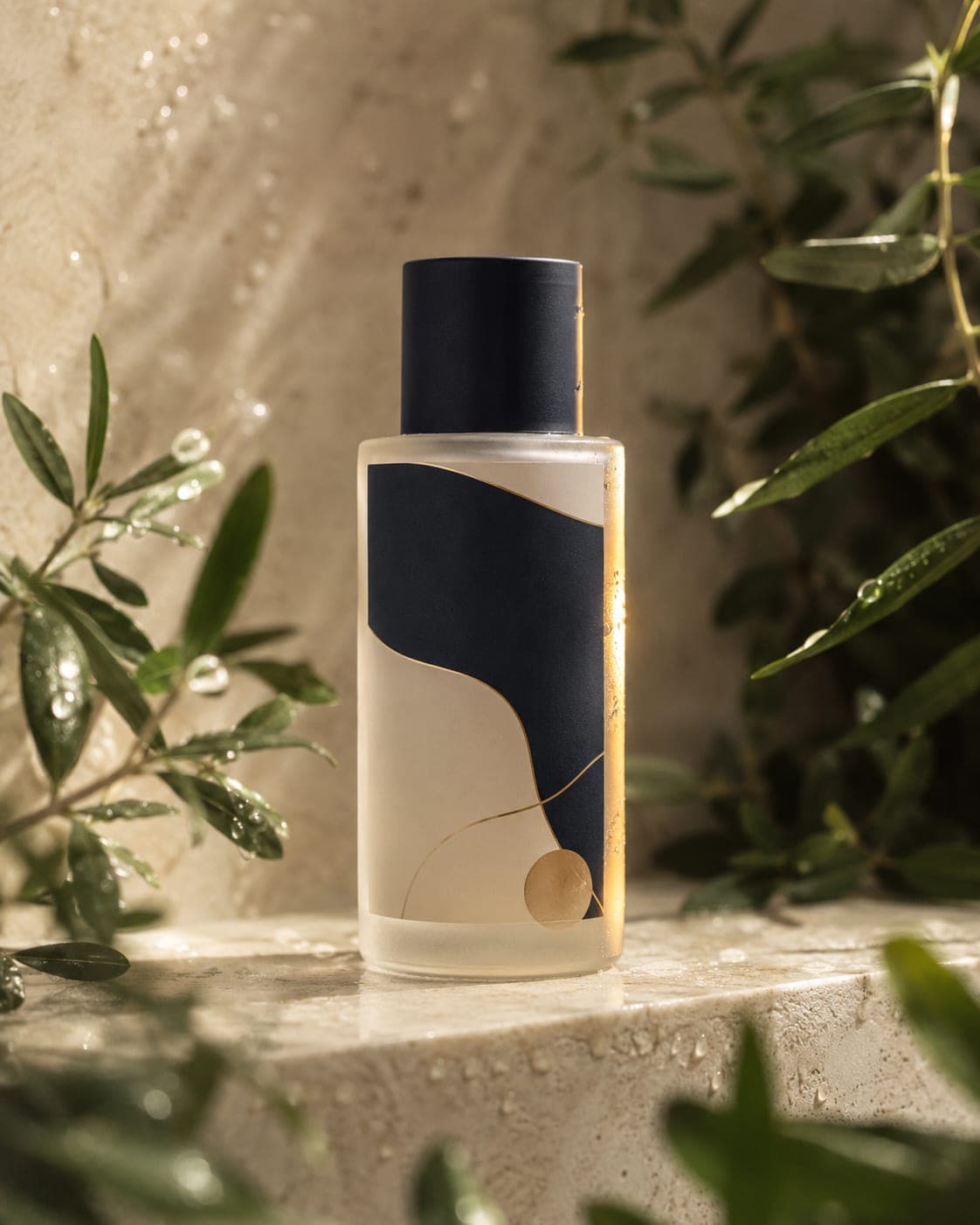
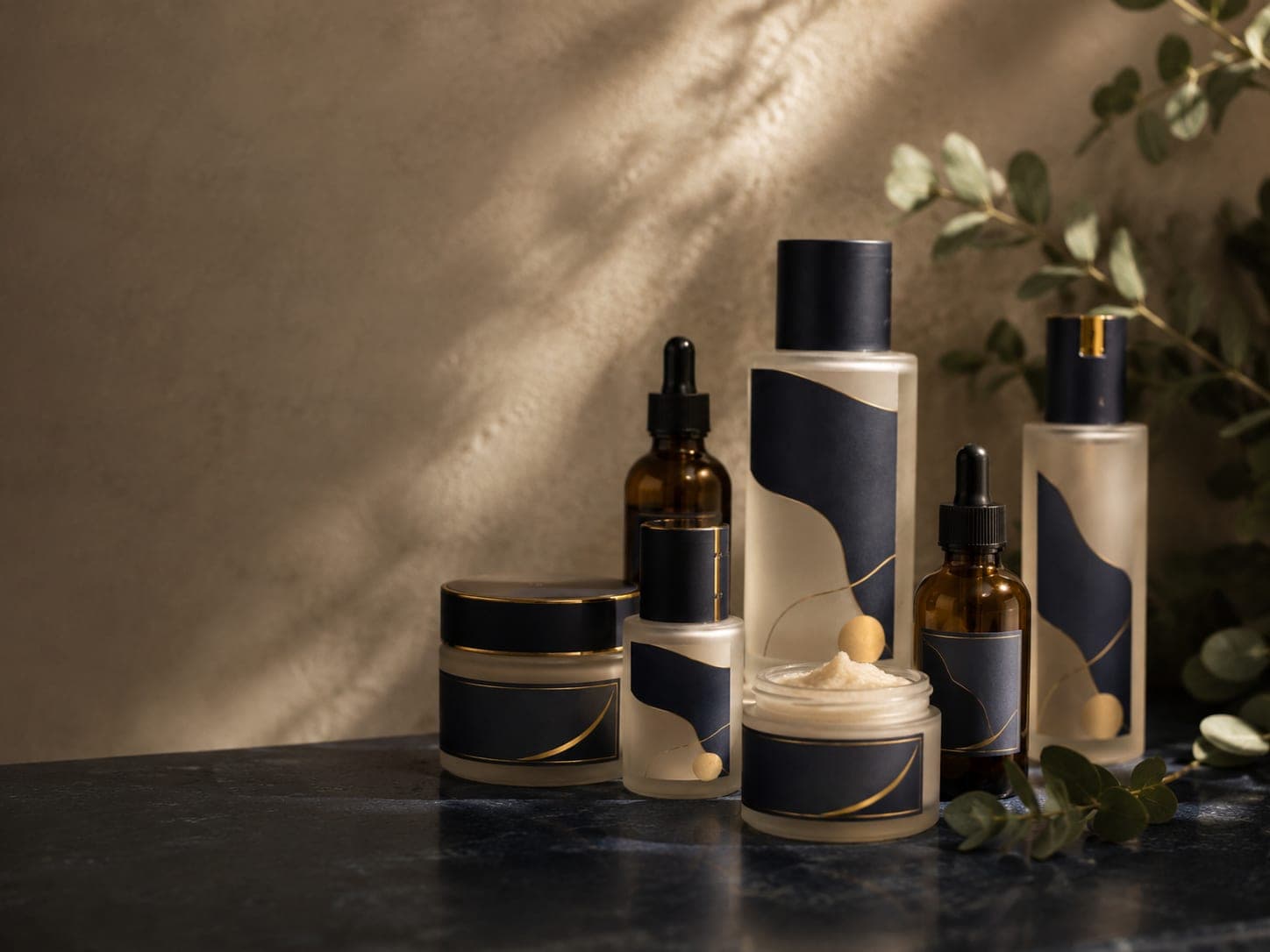
En 360 Radiance, nuestra línea de cuidado de la piel está formulada sobre un principio simple: evitar los ingredientes con preocupaciones de seguridad genuinas y basadas en evidencia, e ignorar las listas negras de ingredientes impulsadas por el marketing que no tienen respaldo científico. Excluimos los liberadores de formaldehído, las fragancias sintéticas y el SLS en altas concentraciones de nuestros productos porque los datos respaldan esas exclusiones. No excluimos los parabenos, las siliconas ni los derivados del aceite mineral simplemente porque aparezcan en listas alarmistas de ingredientes "sucios", porque los datos no respaldan esas exclusiones.
Aprender a leer las etiquetas de ingredientes de manera crítica es una de las cosas más empoderadoras que puede hacer como consumidora de cuidado de la piel. Los ingredientes se enumeran en orden descendente de concentración, así que cualquier ingrediente que aparezca en las primeras cinco a siete posiciones constituye la mayor parte de la fórmula. Busque las categorías específicas de preocupación descritas en este artículo e ignore el resto del ruido. Tanto su piel como su bolsillo se beneficiarán.
Experimente la Línea Radiance Skin Care
Si está lista para ir más allá del marketing basado en el miedo e invertir en productos formulados sobre ciencia real, la Radiance Skin Care Line está diseñada para usted. En 360 Radiance, en Sunrise, Florida, ofrezco consultas personalizadas de productos en las que evalúo su piel, reviso los productos que está utilizando actualmente y le recomiendo un régimen optimizado construido sobre ingredientes que son tanto efectivos como genuinamente seguros. Deje de pagar de más por afirmaciones infundadas de "libre de" y comience a invertir en formulaciones que ofrecen resultados medibles. Reserve su consulta conmigo, Marta Nazzar, en 360 Radiance y experimente la diferencia que marca el cuidado de la piel basado en evidencia.
Pruebe la línea Radiance Skin Care — formulada clínicamente, libre de ingredientes genuinamente preocupantes, y diseñada para realmente funcionar. Disponible en 360 Radiance.
Reservar Consulta→