Discover the ideal skincare routine for humid climate South Florida. Learn how to manage oily skin, breakouts & clogged pores. Book a free consultation today!
The Complete Skincare Routine for Humid Climate South Florida
If you've ever stepped outside in Sunrise or anywhere in South Florida and felt your freshly applied skincare sliding down your face within minutes, you're not alone. Living in our subtropical paradise comes with unique challenges for your skin—challenges that most mainstream skincare advice simply doesn't address.
The combination of high humidity, intense UV exposure, and salt air creates a perfect storm for excess oil production, clogged pores, and stubborn breakouts. What works in dry Colorado or temperate California often backfires spectacularly here. That thick moisturizer your favorite influencer swears by? It might be the reason your pores feel perpetually congested.
In this guide, you'll learn exactly how to build a skincare routine for humid climate South Florida—one that works with our environment rather than against it. We'll cover everything from lightweight hydration strategies to the specific ingredients that thrive in tropical conditions.
Understanding How South Florida's Climate Affects Your Skin
Before adjusting your routine, it helps to understand what's actually happening on your skin's surface when humidity levels hover between 70-90%.
The Humidity-Sebum Connection
Your skin produces sebum (natural oil) to protect itself and maintain moisture balance. In humid environments like Broward County, your skin often senses adequate environmental moisture and may respond differently than it would in dry climates. However, when you add heat to the equation, your sebaceous glands can become more active.
The result? That characteristic shine that appears within hours of cleansing, even if you have naturally dry skin. Many South Florida residents notice their skin behaves like oily or combination skin during our warmest, most humid months—regardless of their actual skin type.
Sweat, Salt, and Skin Congestion
Between perspiration, sunscreen application, and environmental exposure, your pores face constant challenges in South Florida. Sweat mixes with sunscreen and makeup, potentially creating a film that may contribute to clogged pores if not properly managed. Understanding how your skin barrier functions becomes essential when navigating these conditions.
Building Your Morning Routine for Tropical Weather
Your AM routine in South Florida should focus on lightweight protection and oil control without stripping your skin's natural moisture.
Cleansing: Gentle but Effective
Start with a gentle, water-based cleanser that removes overnight buildup without disrupting your skin's protective barrier. Gel and foaming cleansers often work well in humid climates because they provide a clean finish without heavy residue. Avoid harsh sulfates that might trigger reactive oil production.
If you're acne-prone, a cleanser containing salicylic acid may help keep pores clear throughout the day. However, the key is balance—over-cleansing in response to humidity can backfire, prompting your skin to produce even more oil.
Serums and Treatments: Think Light Layers
Here's where many South Floridians go wrong: assuming humidity means skipping hydration entirely. Your skin still needs moisture—it just needs the right kind.
Hyaluronic acid serums work beautifully in humid environments because they draw moisture from the air. Niacinamide is another excellent ingredient for our climate, as it may help support balanced oil production and minimize the appearance of pores. Layer from thinnest to thickest consistency, allowing each product to absorb before applying the next. For a detailed breakdown of product sequencing, our guide on building a morning routine that actually works covers the science behind application order.
Moisturizer: Less Is Often More
In South Florida's humidity, heavy creams often feel suffocating. Consider lightweight gel moisturizers or water-based lotions that hydrate without adding excess oil. Look for "non-comedogenic" on labels, meaning the product is formulated to avoid clogging pores.
During our most humid months (June through September), some people find they can skip traditional moisturizer entirely after applying a hydrating serum—though this varies by individual skin type.
Sunscreen: The Non-Negotiable Step
South Florida's UV index regularly reaches "very high" or "extreme" levels. Broad-spectrum SPF 30 or higher is essential year-round—yes, even on cloudy days. For humid climate conditions, mineral sunscreens or lightweight chemical formulas designed for oily skin may feel more comfortable than thick, creamy options.
Reapplication matters, especially after swimming or significant perspiration. Consider powder SPF products for midday touch-ups without disrupting makeup.
Evening Routine Adjustments for High-Humidity Living
Your nighttime routine is where you can focus on treatment and repair without worrying about environmental factors.
Double Cleansing: Worth the Extra Step
If you wear sunscreen (and you should), double cleansing helps ensure you're removing it completely. Start with an oil-based cleanser or micellar water to dissolve sunscreen and makeup, then follow with your regular cleanser to address any remaining residue.
This two-step approach may help prevent the pore congestion that's so common in our tropical environment.
Treatment Products and Exfoliation
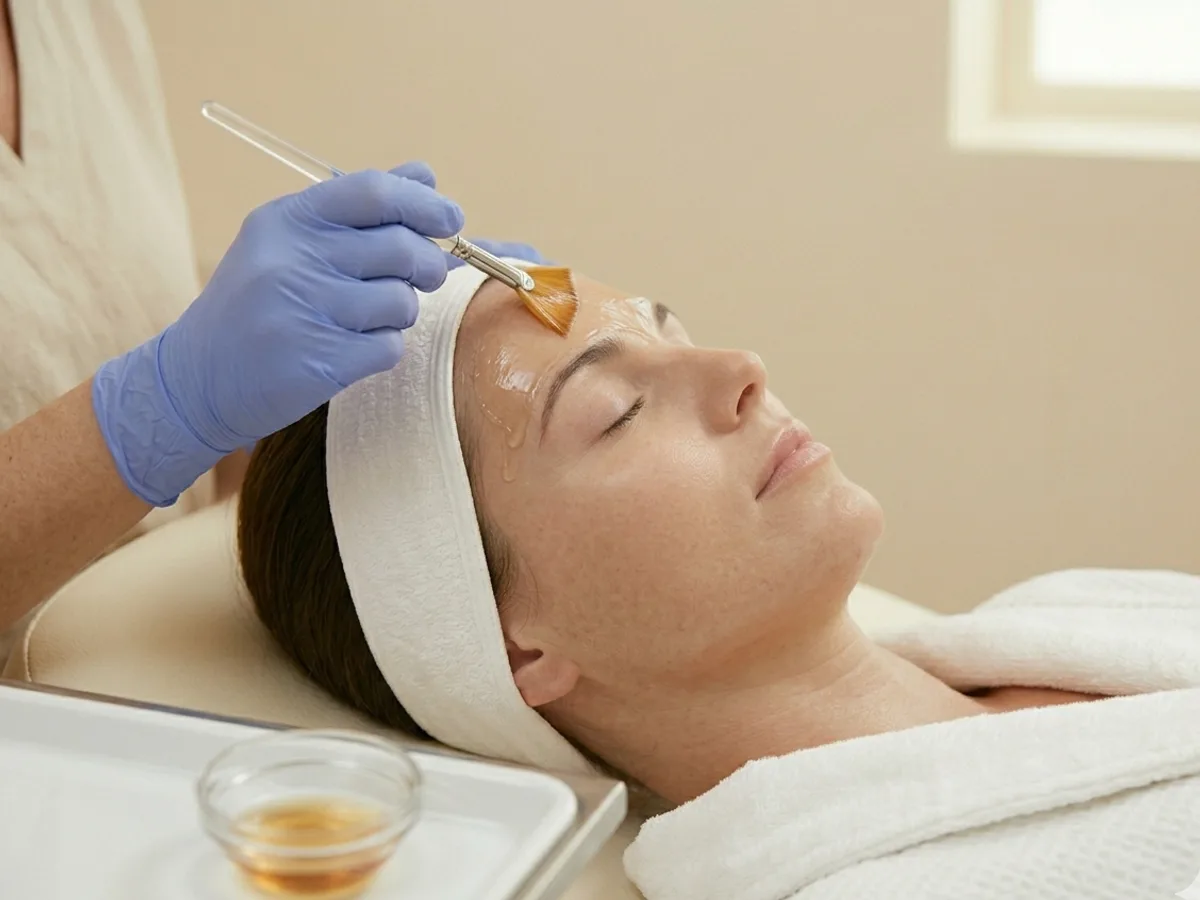
Evening is ideal for active ingredients like retinoids, alpha hydroxy acids (AHAs), or beta hydroxy acids (BHAs). Chemical exfoliants are generally gentler than physical scrubs and may help address the buildup that humid conditions can create.
However, our intense sun exposure means you need to be thoughtful about exfoliation frequency. Over-exfoliating can compromise your skin barrier, potentially leading to increased sensitivity or irritation. Start slowly with any new active ingredient and observe how your skin responds.
Special Considerations for Common South Florida Skin Concerns
Our climate creates specific challenges for conditions like acne, rosacea, and hyperpigmentation.
Managing Acne in Humid Conditions
The combination of humidity, sweat, and sunscreen can challenge acne-prone skin. Focus on keeping pores clear with consistent cleansing and non-comedogenic products. Avoid touching your face throughout the day, and consider keeping oil-blotting papers handy for midday shine control.
Rosacea and Heat Sensitivity
South Florida's heat can be challenging for rosacea-prone skin. Beyond skincare, lifestyle adjustments—like seeking shade during peak sun hours and staying hydrated—may help support skin comfort. For a comprehensive look at what might be affecting your rosacea, our complete guide to rosacea triggers offers detailed insights.
Addressing Hyperpigmentation
Our intense sun exposure can make dark spots and uneven tone more challenging to address. Consistent sunscreen use is foundational, and ingredients like vitamin C, niacinamide, and certain botanical extracts are commonly included in products targeting hyperpigmentation concerns.
When to Seek Professional Guidance
Generic advice only goes so far. Your skin is as unique as your fingerprint, and what works for your neighbor may not work for you. Persistent concerns—whether breakouts that won't resolve, redness that keeps returning, or texture issues that products can't seem to address—often benefit from professional assessment.
A licensed skincare professional can evaluate your specific skin type, concerns, and lifestyle factors to create a personalized approach. This is particularly valuable in South Florida, where climate considerations add an extra layer of complexity to skincare planning.
At 360 Radiance in Sunrise, we specialize in helping South Florida residents navigate exactly these challenges. Our clinical approach combines science-backed methods with individualized attention to create plans that make sense for your skin in our environment.
Ready to stop guessing and start seeing results? Book a free consultation with our team to discuss your specific concerns and goals.
This content is for educational purposes only and is not intended as medical advice. Individual results vary based on numerous factors including skin type, health history, and lifestyle. Please consult with a licensed skincare professional or healthcare provider for personalized recommendations.