Hormonal acne follows patterns — jawline, chin, cyclical flares. Understanding the androgen-sebum connection is the first step to breaking the cycle without harsh medications.
If you have tried every cleanser, every spot treatment, and every "acne-clearing" product on the market and still wake up with deep, painful breakouts along your jawline and chin, you are not dealing with a skincare problem. You are dealing with a hormonal one. Hormonal acne is one of the most frustrating skin conditions I treat at 360 Radiance because it does not respond to surface-level solutions. Understanding the root cause is the first and most critical step toward clearing your skin for good.
The Androgen-Sebum Connection
Hormonal acne begins deep beneath the skin, driven by androgens, a class of hormones that includes testosterone and its more potent derivative, dihydrotestosterone (DHT). Both men and women produce androgens, though levels fluctuate significantly in women due to the menstrual cycle, contraceptive use, and conditions like polycystic ovary syndrome (PCOS).
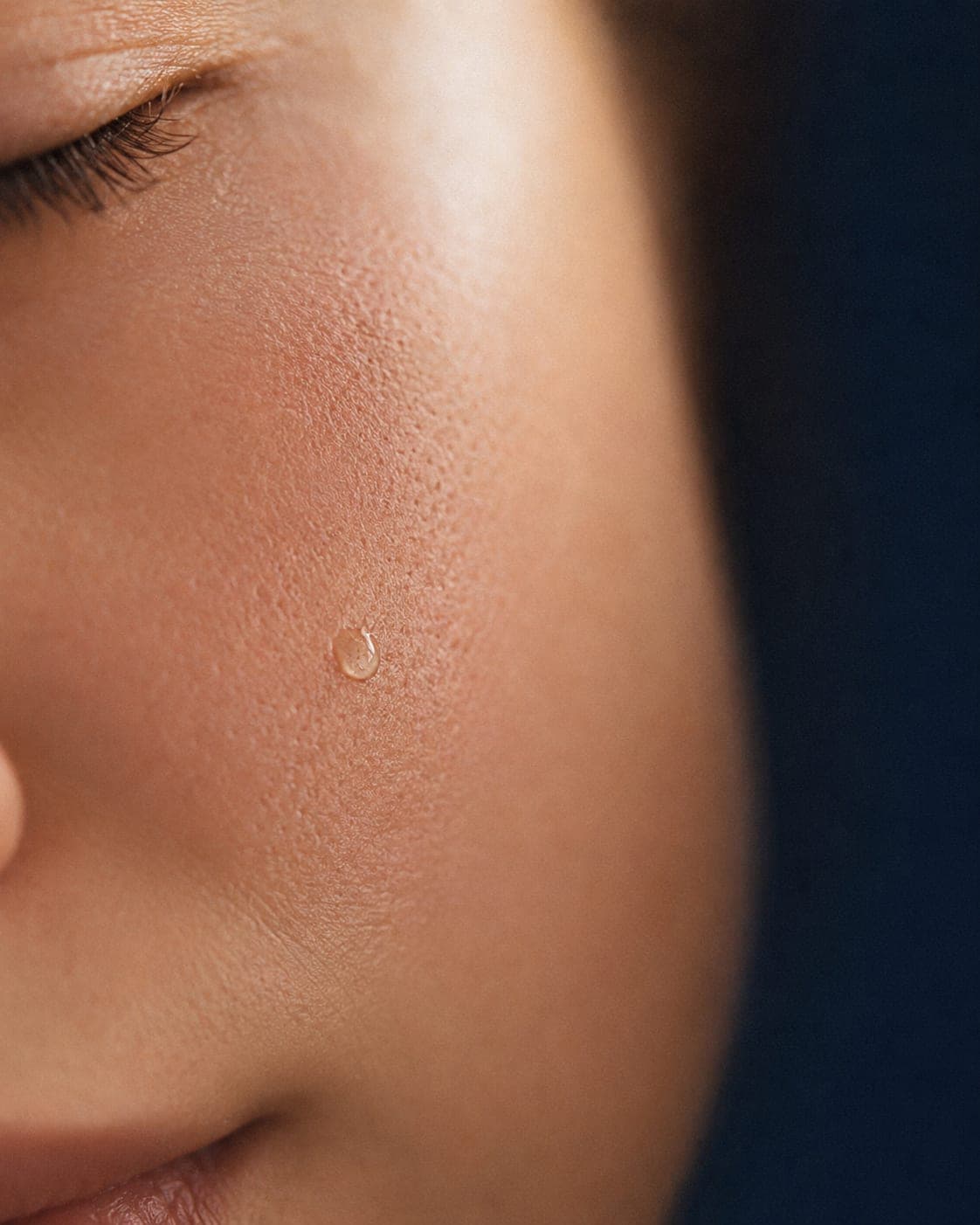
When androgen levels rise, they bind to receptors on your sebaceous glands and stimulate increased sebum production. Excess sebum mixes with dead skin cells inside the pore, creating an oxygen-deprived environment where Cutibacterium acnes bacteria thrive. The immune system responds with inflammation, producing the deep, cystic lesions characteristic of hormonal acne. Unlike superficial whiteheads or blackheads, these lesions originate in the lower dermis, which is why they feel like hard, painful lumps that never seem to come to a head.
Why the Jawline and Chin Pattern
The reason hormonal acne clusters along the lower third of the face, specifically the jawline, chin, and sometimes the neck, is anatomical. The skin in these areas contains a higher density of androgen-sensitive sebaceous glands compared to the forehead or cheeks. Research published in the Journal of Clinical and Aesthetic Dermatology confirms that the distribution pattern of hormone-responsive oil glands directly correlates with typical hormonal acne mapping. This is why you can have perfectly clear skin on your forehead while battling persistent cysts on your chin.
Menstrual Cycle Phases and Acne Timing
If you notice your breakouts worsening about seven to ten days before your period, the timing is not coincidental. During the luteal phase of your menstrual cycle, which begins after ovulation and lasts until menstruation, progesterone levels rise sharply. Progesterone has a structural similarity to androgens and can stimulate sebum production on its own. Simultaneously, estrogen, which has an anti-androgenic, skin-calming effect, begins to decline. This hormonal shift creates a roughly two-week window where your skin is maximally oil-prone and inflammation-prone.
Women with PCOS face a compounded version of this problem. PCOS is characterized by chronically elevated androgens, irregular ovulation, and insulin resistance. The insulin resistance component is particularly relevant because elevated insulin stimulates the ovaries to produce more androgens, creating a self-reinforcing cycle that makes acne persistent and resistant to conventional treatment.
Stress, Cortisol, and the Breakout Cascade
Chronic stress adds another hormonal layer to the acne equation. When you are under sustained stress, your adrenal glands produce cortisol. Cortisol itself promotes sebum production, but it also triggers the release of adrenal androgens like DHEA-S. A 2017 study in Clinical, Cosmetic and Investigational Dermatology found a statistically significant correlation between perceived stress levels and acne severity in adult women. The stress-acne connection is not psychological. It is biochemical, mediated through the hypothalamic-pituitary-adrenal axis.
Dietary factors compound the hormonal picture further. High-glycemic foods cause rapid insulin spikes, which, as noted, increase androgen production. Dairy, particularly skim milk, has been associated with acne in multiple large-scale epidemiological studies, likely because milk contains bioactive hormones and insulin-like growth factor 1 (IGF-1) that stimulate sebaceous gland activity.
Why Antibiotics Fail Long-Term
Many clients come to me after months or even years on oral antibiotics like doxycycline or minocycline. While antibiotics can reduce Cutibacterium acnes populations and provide temporary anti-inflammatory relief, they do absolutely nothing to address the hormonal drivers of acne. The moment you stop the antibiotic, the breakouts return, often worse than before due to disrupted gut microbiome and potential antibiotic resistance. The American Academy of Dermatology now recommends limiting oral antibiotic courses for acne to three months maximum, yet many patients remain on them far longer without a transition plan.
The Face Reality Protocol and Hormonal Fluctuations
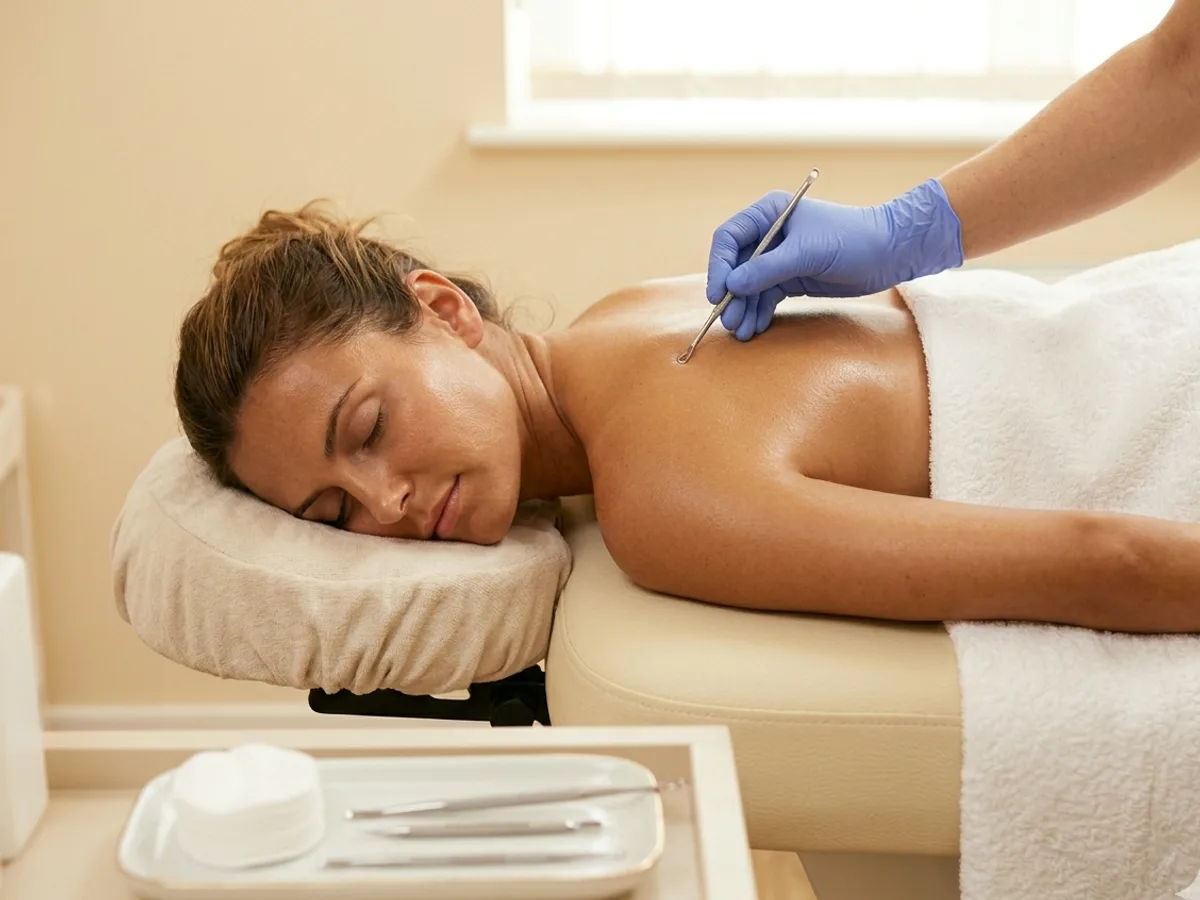
At 360 Radiance, I use the Face Reality acne protocol, an evidence-based system designed specifically to manage acne through controlled, progressive treatments that account for hormonal fluctuations. The protocol combines professional-strength enzyme treatments and chemical peels performed every two weeks with a home care regimen that is adjusted in real time based on how your skin responds.
What makes this approach effective for hormonal acne specifically is that it works with your cycle rather than ignoring it. We strategically time the intensity of treatments and active ingredients around your luteal phase, increasing anti-inflammatory and antibacterial support during the window when breakouts are most likely to occur. We use mandelic acid, a gentle alpha-hydroxy acid that is also lipophilic enough to penetrate pores, combined with benzoyl peroxide at calibrated concentrations to suppress bacterial proliferation without destroying your barrier.
Lifestyle modifications are an essential component of the protocol. I work with clients on stress management strategies, dietary adjustments focused on reducing glycemic load and dairy intake, and sleep hygiene improvements that support cortisol regulation. When hormonal imbalances are severe, particularly in cases of suspected PCOS or significant androgen elevation, I refer clients to an endocrinologist for bloodwork and potential medical management such as spironolactone or oral contraceptives. An aesthetician and an endocrinologist address different layers of the same problem, and the best outcomes happen when both are involved.
Book Your Hormonal Acne Consultation
Hormonal acne is not a life sentence, but clearing it requires a strategy that goes deeper than products on a shelf. At 360 Radiance in Sunrise, Florida, I offer a comprehensive 12-week hormonal acne program that combines professional treatments, customized home care, lifestyle coaching, and ongoing support. In our initial consultation, I will analyze your breakout patterns, discuss your cycle history, evaluate your current products, and design a protocol tailored specifically to your skin and your hormones. Book your hormonal acne consultation with me, Marta Nazzar, at 360 Radiance and take the first step toward skin that finally stays clear.
Hormonal acne is treatable — with the right protocol. Book the free consultation for our 12-week Face Reality program at 360 Radiance in Sunrise, FL. Starting at $230, with bi-weekly visits.
Book Consultation→